The Inbound Sales Matrix: What Does It Mean for You?
How do you know how much effort to put into pursuing a particular prospect? How do you choose one contact over another? Those scenarios aren't always straightforward.
.

Prospecting is a continuum. There will be sales opportunities worth pursuing to varying degrees for various reasons. But how do you know what those degrees and reasons are?
What is a sales matrix?
The sales matrix is a tool for making sense of various opportunities. Let's define what a sales matrix is and how you can use one to improve your prospecting efforts.
A sales matrix is a tool used to help you gauge the urgency and viability of sales opportunities. In many cases — like inbound prospecting — the matrix gives you insight into potential customers’ interest in your business as well as their fit for your product or service. It can be used to weigh those factors together and determine how much attention a contact deserves at a given point in time.
Sales matrices are intended to show you how open a prospect is to what your company has to offer. It enables you to consider a prospect's potential fit and general interest when deciding how to allocate outreach or prospecting resources.
Fit is an important metric in an inbound prospecting matrix. It delves into the more technical aspects of the process. It is the stage at which you consider factors such as company size, annual revenue, industry, and purchasing authority.
Interest is the other side of the inbound prospecting matrix. Companies can check all of the traditional, practical boxes for your product, but if they aren't sold on you, you won't get their business. If you find a company that is a good fit but isn't interested in what you have to offer, you should do everything you can to nurture that lead.
Why Would You Create a Sales Matrix?
A sales matrix, specifically an inbound prospecting matrix, can help you prioritize your leads and better coordinate your outreach. It enables you to determine which prospects will be most receptive to more involved sales efforts, which will be best nurtured, and which will not be worth your time.
But how do you figure out how to determine both factors in a matrix? Fit is a lot easier to figure out. You should have an idea of the types of businesses that would be best suited to your product. That is where traditional prospecting usually ends.
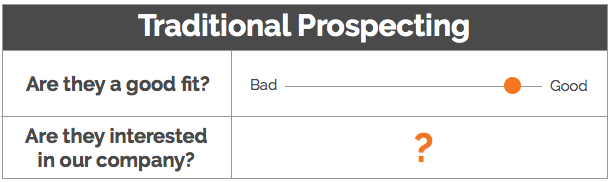
The concept of inbound prospecting considers whether a company is actually interested in your business. It gives a more holistic view of the viability of turning a prospect into a customer.
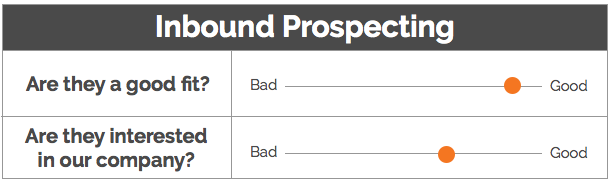
But how do you gauge interest? What can a company do to show it’s inclined to do business with you? Website visits can be a valuable reference point. Having resources that allow you to keep track of those visits can be crucial to any inbound prospecting efforts.
HubSpot’s prospecting tools within Sales Hub can help you do that. They allow you to view what companies have been visiting your website. It looks like this:
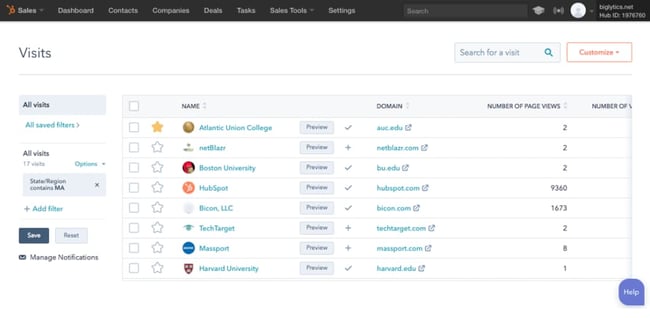
Someone who has viewed 24 pages on your website is more likely to respond to you than someone who has never heard of your company. That is why, when prospecting, it is critical to consider both interest and fit.
Consider these two potential businesses (let's call them ACME Corp and General Products, LLC). Which would you choose?
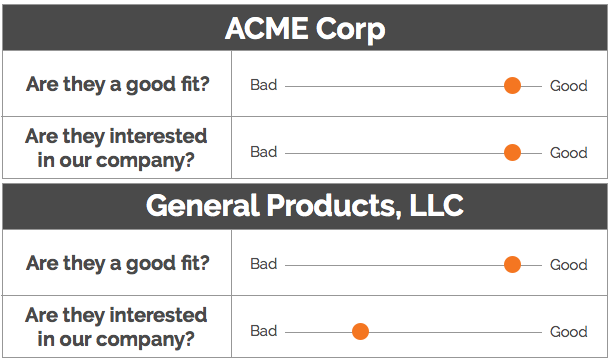
The answer is self-evident: ACME Corp.
However, without inbound prospecting tools, you would have no way of knowing whether or not either company is interested in your business before contacting them. And if you don't understand why someone is interested in your company, you'll waste time barking up the wrong tree over and over.
With the simple-to-understand language of inbound prospecting, this problem is turned on its head.
Inbound Prospecting Matrix:
.jpg?width=632&name=Sales%20Matrix%20-%20Priority%20(1).jpg "https://blog.hubspot.com/hs-fs/hubfs/Screen%20Shot%202020-01-26%20at%202.45.05%20PM.jpg?width=650&name=Screen%20Shot%202020-01-26%20at%202.45.05%20PM.jpg")
If a prospect is a good fit and is interested in your company, they should be your first priority.Other prospects should be nurtured or removed from your pipeline depending on where they fall on the matrix. Here's how to get started with the Inbound Prospecting Matrix.
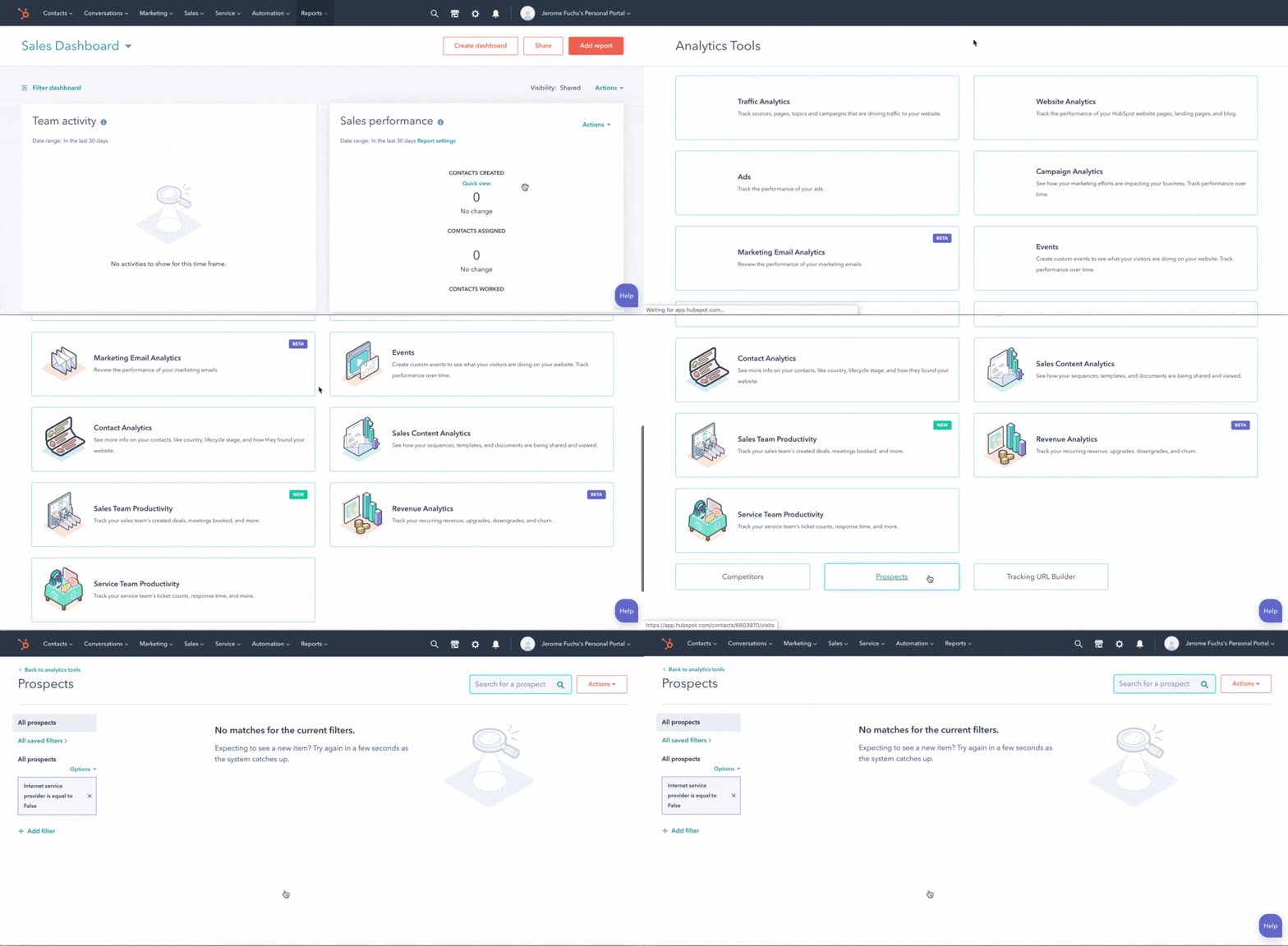
Step 1: Identify businesses that are visiting your website.
You can use the free HubSpot CRM and navigate to the Prospects setting to find companies that are interested in your company. This will display the following companies that have recently visited your website:
Step 2: Filter companies that are a good fit.
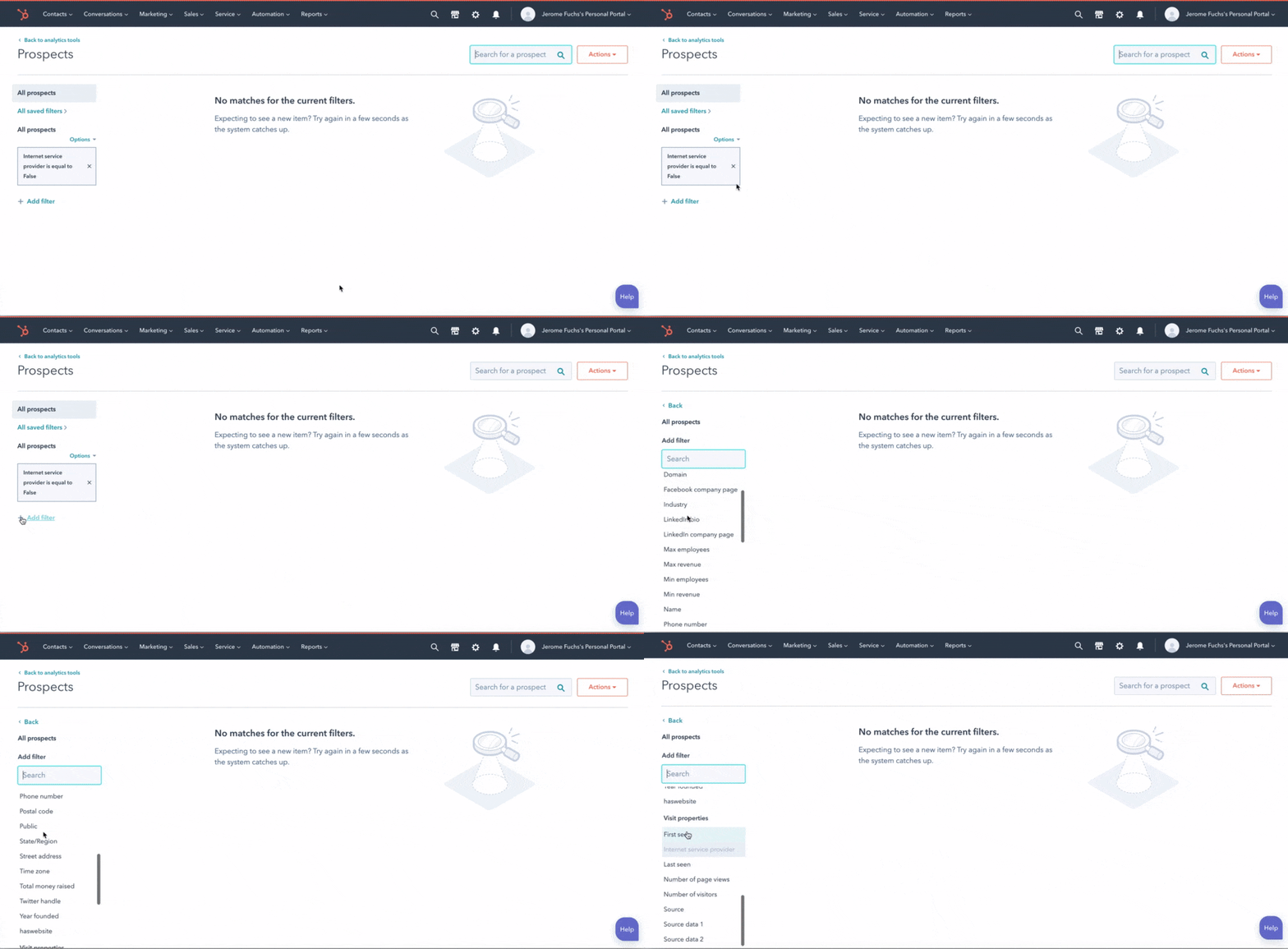
You'll now have a list of companies that have visited your website. At this point, you can apply filters to identify companies that are a good fit, such as:
- Number of times they've visited your website
- Date they were last active on your website
- Company size
- Location
- Industry
The possibilities are endless.
To execute this, click Add filter on the left-hand side of the screen and apply whatever filters are important for your business.
- I'm interested in your company (i.e. viewing pages on your website)
- A good match in terms of industry, size, location, and so on.
.jpg?width=633&name=Contact%20Immediately%20(1).jpg "https://blog.hubspot.com/hs-fs/hubfs/Screen%20Shot%202020-01-26%20at%202.45.05%20PM.jpg?width=650&name=Screen%20Shot%202020-01-26%20at%202.45.05%20PM.jpg")
